Type of project: Research project
Supervisor: Prof. Dr. Steffen Seitz, Osnabrück University
Cooperation partner: Dr. Maik Veste, University of Hohenheim
About the project
Background and Objectives
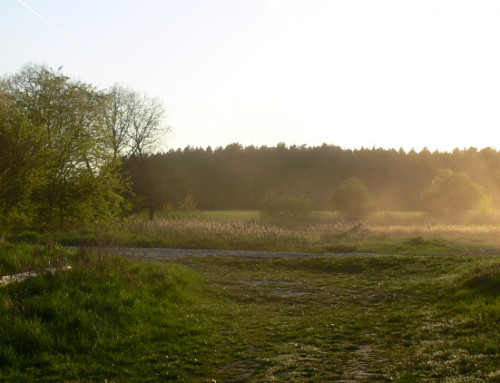
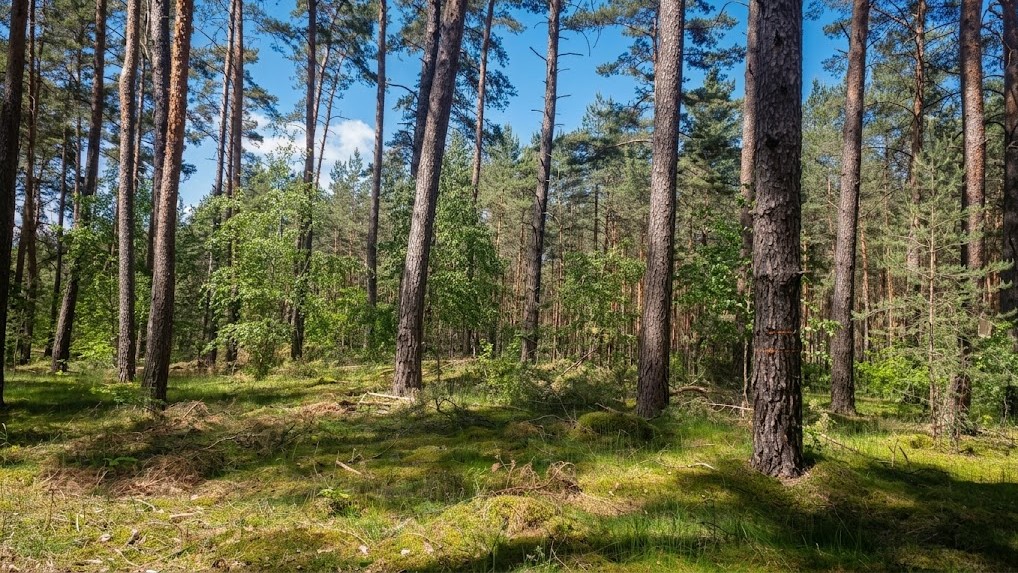
Forest soils play important roles in the water and carbon cycles. How they develop depends largely on the interaction between water availability, vegetation, soil organisms, and microclimatic conditions. Climate change is increasingly altering these processes: Longer dry spells and highly variable precipitation are posing new challenges, particularly for Brandenburg’s pine forests.
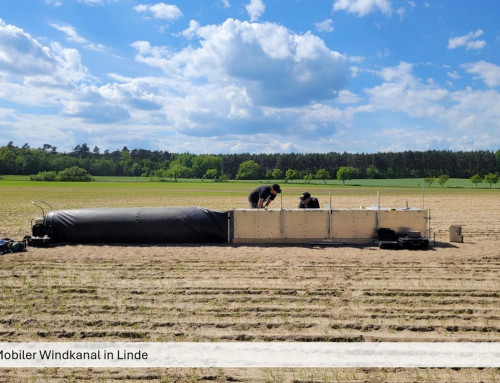
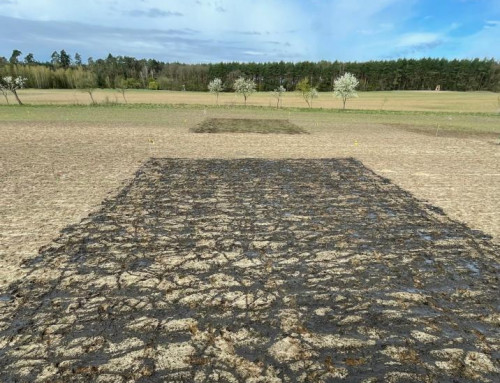
The project at the Linde Research Station investigates how ecohydrological processes influence soil formation and what role ground-covering vegetation plays in this process. The focus is on mosses, grasses, and biological soil crusts (biocrusts), which act directly on the soil surface. They can store water, protect the soil from drying out and erosion, and stabilize the soil structure. At the same time, they influence the exchange of water and nutrients as well as carbon storage in the soil.
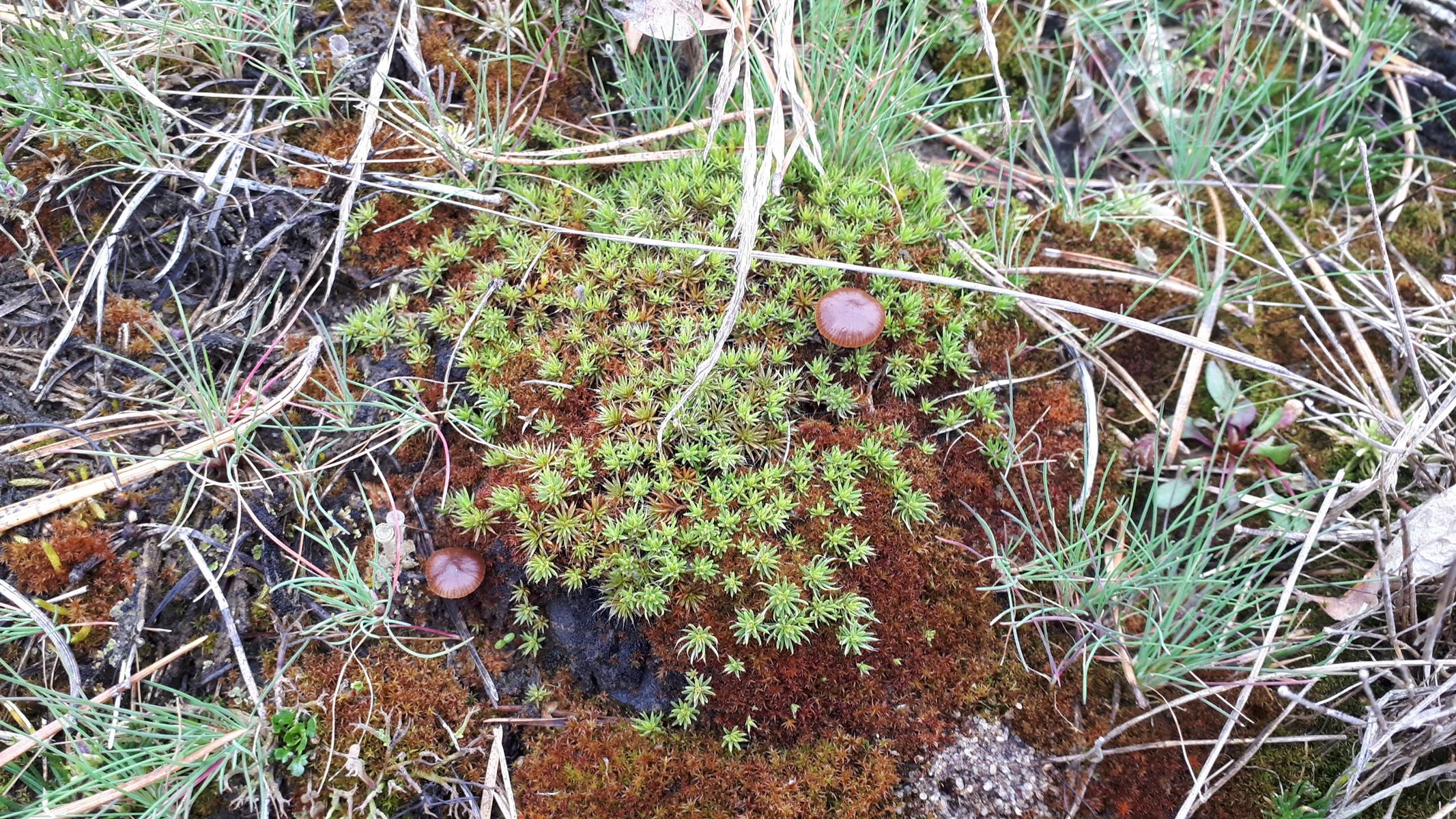
Previous studies in Linde, funded by the Zwillenberg-Tietz Foundation and the Waldklimafonds, have already shown that ground-covering moss communities can have a positive impact on the water balance and physical stability of the topsoil. Carbon storage in vegetation and adjacent forest soils is also important for climate protection. However, little research has been conducted on how different forms of ground cover and increasing aridity are altering soil development in Brandenburg’s pine forests over the long term. In particular, the formation of hydrophobic soil layers and their ecological consequences have not yet been sufficiently elucidated.
Research Approach and Methodology
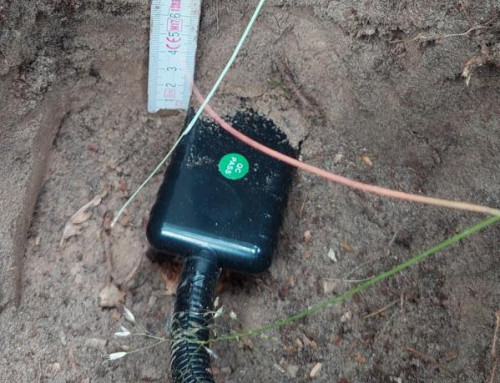
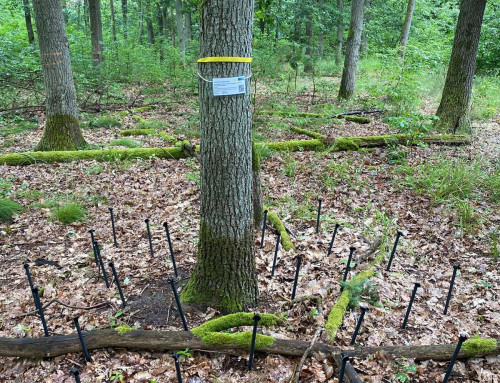
To fill these gaps in knowledge, existing microclimatological monitoring stations at the Linde Research Station – located both within and outside a pine stand – are being operated on a long-term basis. Modern sensor systems continuously measure soil moisture and moisture in the ground-covering vegetation, as well as temperature, precipitation, and other microclimatic parameters. In addition, light conditions, vegetation structure, species composition, and the seasonal physiological activity of the plants are being studied.
Continuous data collection generates long-term time series that can be used to analyze changes in the water balance and vegetation, as well as their effects on soil development.
Significance and Expected Results
The project investigates three central questions:
- How does ground-cover vegetation affect soil moisture and its heterogeneity, as well as associated soil-forming processes?
- How do ground-cover vegetation – and bio-crusts in particular – contribute to soil carbon sequestration and the associated pedogenic processes in forest soils?
- How is the seasonality of physiological activity within ground-covering vegetation controlled by temperature and light within the forest?
The results are intended to help better understand the resilience of Brandenburg’s pine forests to climate change. Long-term measurement series provide an important foundation for detecting changes early on and gaining insights for sustainable forest and soil conservation.